
28 wrz 2026


SEO, or Search Engine Optimization, is the process of optimising a website in order to achieve a higher position in search engine results. In today’s digital world, effective SEO is crucial to the success of every website. Below we present basic SEO strategies that will help you increase your website’s visibility and attract more users.
The first step in effective SEO is choosing the right keywords. Keywords are the terms that users type into a search engine when looking for information on a given topic. To find the right keywords, it is worth using tools such as Google Keyword Planner, Ahrefs or SEMrush. When choosing keywords, pay attention to their popularity and competitiveness.
The content of your website should be unique, valuable and properly optimised for the chosen keywords. Place keywords in titles, headings, the first paragraphs and throughout the article. Remember, however, not to overdo it – excessive use of keywords (so-called keyword stuffing) can harm your position in search results.
Link building, i.e. building valuable links leading to your website, is a key element of SEO. High-quality external links (backlinks) can significantly affect your website’s position in search results. Try to acquire links from authoritative and thematically related websites. You can do this by publishing guest articles, working with bloggers or taking part in industry conferences.
The technical aspects of SEO are just as important as content and links. Make sure your website loads quickly and is mobile-friendly. Optimise the URL structure, use appropriate meta tags and pay attention to internal linking. Regularly check that there are no 404 errors or other technical problems on the website that could affect its position in search results.

SEO is an ongoing process that requires regular analysis and monitoring of results. Use tools such as Google Analytics and Google Search Console to track website traffic, user behaviour and the effectiveness of your SEO activities. Based on the data collected, regularly make the necessary corrections and adjust your strategy.
Effective SEO requires time, knowledge and continuous work. Choosing the right keywords, optimising content, building valuable links, optimising the website technically and regularly analysing results are the basic strategies that will help you succeed in search engines. By following these principles, you will increase your website’s visibility and attract more users. Remember that SEO is an investment that brings measurable benefits over time.


Search engine optimisation (SEO) is a key element of the marketing strategy of every modern company. Understanding the costs and the available SEO packages can help you make the right decision about investing in this service. In this guide, we present basic information on the prices, packages and services offered by SEO companies.
SEO costs can vary considerably depending on many factors, such as:
SEO companies offer various packages tailored to clients’ needs and budgets. Here are the most common types of packages:
SEO services can include a variety of activities, such as:
Researching and implementing local keywords is crucial to the success of local SEO. Use tools such as Google Keyword Planner to find phrases related to your location and industry.
NAP (Name, Address, Phone Number) is a key element of local SEO. Make sure that your company name, address and phone number are consistent everywhere they appear, including on your website, in industry directories and on social media platforms.
Submitting to industry directories: Add your business to local industry directories such as Yelp, Foursquare or local news portals.
More and more people use mobile devices to search for local businesses. Make sure your website is responsive and works properly on smartphones and tablets.
Basic SEO strategies: Discover the key tactics of effective SEO
Introduction to SEO
SEO, or Search Engine Optimization, is the process of optimising a website in order to achieve a higher position in search engine results. In today’s digital world, effective SEO is crucial to the success of every website. Below we present basic SEO strategies that will help you increase your website’s visibility and attract more users.
The first step in effective SEO is choosing the right keywords. Keywords are the terms that users type into a search engine when looking for information on a given topic. To find the right keywords, it is worth using tools such as Google Keyword Planner, Ahrefs or SEMrush. When choosing keywords, pay attention to their popularity and competitiveness.
The content of your website should be unique, valuable and properly optimised for the chosen keywords. Place keywords in titles, headings, the first paragraphs and throughout the article. Remember, however, not to overdo it – excessive use of keywords (so-called keyword stuffing) can harm your position in search results.
Link building, i.e. building valuable links leading to your website, is a key element of SEO. High-quality external links (backlinks) can significantly affect your website’s position in search results. Try to acquire links from authoritative and thematically related websites. You can do this by publishing guest articles, working with bloggers or taking part in industry conferences.
The technical aspects of SEO are just as important as content and links. Make sure your website loads quickly and is mobile-friendly. Optimise the URL structure, use appropriate meta tags and pay attention to internal linking. Regularly check that there are no 404 errors or other technical problems on the website that could affect its position in search results.
SEO is an ongoing process that requires regular analysis and monitoring of results. Use tools such as Google Analytics and Google Search Console to track website traffic, user behaviour and the effectiveness of your SEO activities. Based on the data collected, regularly make the necessary corrections and adjust your strategy.
Effective SEO requires time, knowledge and continuous work. Choosing the right keywords, optimising content, building valuable links, optimising the website technically and regularly analysing results are the basic strategies that will help you succeed in search engines. By following these principles, you will increase your website’s visibility and attract more users. Remember that SEO is an investment that brings measurable benefits over time.


Search engine optimisation (SEO) is a key element of the marketing strategy of every modern company. Understanding the costs and the available SEO packages can help you make the right decision about investing in this service. In this guide, we present basic information on the prices, packages and services offered by SEO companies.
SEO costs can vary considerably depending on many factors, such as:
SEO companies offer various packages tailored to clients’ needs and budgets. Here are the most common types of packages:
SEO services can include a variety of activities, such as:
Understanding the costs and the available SEO packages is crucial to using your marketing budget effectively. When choosing the right SEO agency, it is worth paying attention to the scope of services, experience and how well the packages are tailored to individual needs. Investing in professional SEO services can bring considerable benefits by increasing your website’s visibility in search results and attracting more customers. Remember that effective SEO is a long-term process that requires time and regular activity.
Local SEO is the process of optimising a website so that it is more visible in search results for users in a specific location. This is particularly important for small and medium-sized businesses that operate in a specific region and want to attract local customers. Below we present the importance of local SEO and the key strategies that will help you increase your business’s visibility in local search results.
Local SEO helps your business appear in search results when users are looking for products or services in your area. As a result, you can attract more potential customers who are nearby and interested in your offer.
Businesses that appear high in local search results are perceived as more credible and professional. Local optimisation helps build trust among customers, which can lead to more conversions.
Local SEO allows you to better tailor your content to the needs and expectations of local customers. This lets you offer more relevant and personalised services, which increases your business’s chances of success.
Google My Business (GMB) is a free tool that lets you manage information about your business on Google, including in Google Maps. Make sure your profile is fully completed and contains up-to-date information such as your address, opening hours, phone number and business categories.
Researching and implementing local keywords is crucial to the success of local SEO. Use tools such as Google Keyword Planner to find phrases related to your location and industry.
NAP (Name, Address, Phone Number) is a key element of local SEO. Make sure that your company name, address and phone number are consistent everywhere they appear, including on your website, in industry directories and on social media platforms.
More and more people use mobile devices to search for local businesses. Make sure your website is responsive and works properly on smartphones and tablets.
Local SEO plays a key role in increasing your business’s visibility in search results and attracting local customers. Optimising your Google My Business profile, using local keywords, ensuring NAP consistency and mobile optimisation are key strategies that will help you succeed. By investing in local SEO, you will build a stronger online presence and increase trust among local customers, which will translate into higher sales and the growth of your business.

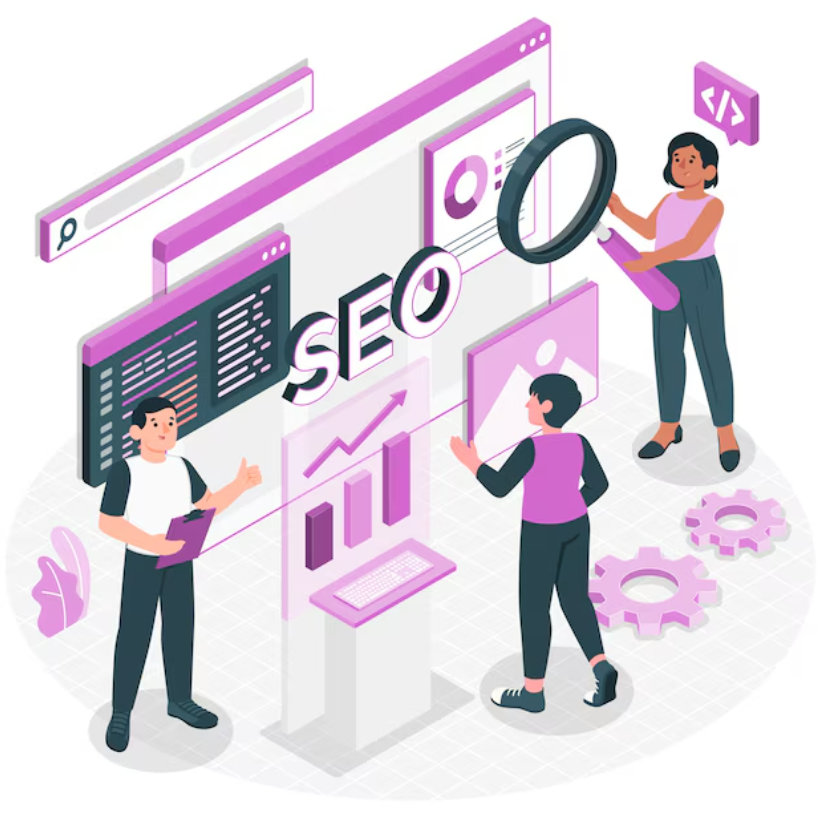

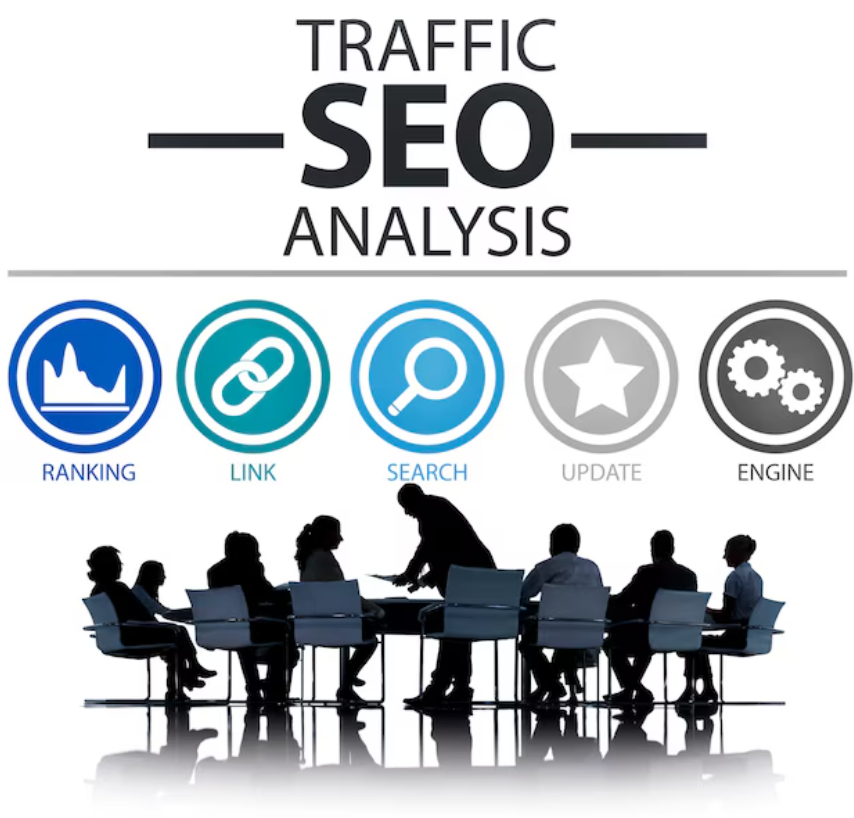
Choosing between SEO (Search Engine Optimization) and PPC (Pay-Per-Click) can be crucial to your company’s marketing strategy. Both solutions have their own unique advantages and disadvantages that are worth considering before making a decision. In this article, we compare SEO and PPC to help you choose the best strategy for your business.
One of the biggest advantages of SEO is its long-lasting effect. Once your website has achieved a high position in the search results, it can stay there for a long time, generating steady traffic at no additional cost.
Websites that appear in organic search results are often perceived by users as more credible. Natural search results build trust and authority among visitors.
Although SEO requires an investment of time and resources at the start, it does not involve direct fees for clicks. After the initial investment, the costs of maintaining SEO are relatively low compared with PPC.
SEO takes time to deliver measurable results. Achieving a high position in search results can take months or even years, depending on the competitiveness of the industry.
Search engines such as Google regularly update their algorithms, which can affect your website’s position. Constant monitoring and adjustment of your SEO strategy is essential.
In highly competitive industries, achieving a high position in organic search results can be exceptionally difficult and require a great deal of work and resources.
One of the biggest advantages of PPC is the ability to achieve immediate results. PPC campaigns can be launched within a few hours, allowing you to generate website traffic quickly.
PPC enables precise audience targeting according to various criteria, such as location, age, interests or keywords. This allows you to reach your target group precisely.
With PPC, you have full control over your advertising budget. You can set a daily spending limit and pay only for clicks, which allows for better cost management.
PPC can be expensive, especially in competitive industries. The cost per click (CPC) can be high, and constantly paying for clicks requires ongoing investment.
Once a PPC campaign ends, traffic to your website will drop immediately. Unlike SEO, PPC does not provide long-term results without continuous funding.
Some internet users tend to ignore paid ads, focusing solely on organic search results. This can limit the effectiveness of PPC campaigns.
SEO and PPC are two different marketing strategies, each with its own advantages and disadvantages. SEO offers long-term results and greater credibility with lower running costs, but requires time and constant work. PPC, on the other hand, delivers fast results and precise targeting, but involves higher costs and short-term effects.
The choice between SEO and PPC depends on your company’s goals, budget and the time you can devote to optimisation. In many cases, the best solution is to combine both strategies in order to maximise the reach and effectiveness of your marketing activities.
The tactics described work best when they are combined into a single plan: from a technical audit, through content, to building authority and local SEO. We discuss them in detail in our guides to technical SEO, on-page SEO and off-page SEO.
Would you rather leave it to the specialists? See what website SEO includes and how much SEO costs. Before you start, check the condition of your website with a free SEO audit.